Sharpie permanent marker is designed to stick, but “permanent” is relative. The key to “what removes sharpie marker“ is using a surface-specific solvent. For hard surfaces like whiteboards or plastic, isopropyl alcohol or a Magic Eraser works best. For skin, hand sanitizer or baby oil is effective. If you’ve accidentally marked fabric, hairspray (with high alcohol content) or distilled white vinegar can often lift the pigment before it sets in the wash.
Here’s exactly what to use, organized by surface.
Surface-by-Surface Removal Guide
| Surface | Best Removal Method | What Not to Use |
|---|---|---|
| Skin | Rubbing alcohol or hand sanitizer | Acetone – too harsh |
| Fabric/clothing | Rubbing alcohol + dish soap | Bleach on colored fabric |
| White walls (painted) | Magic eraser or rubbing alcohol | Abrasive scrubbers |
| Colored/painted walls | Hairspray or rubbing alcohol (dab gently) | Magic eraser – removes paint |
| Wood (finished) | Rubbing alcohol | Acetone – removes finish |
| Wood (unfinished) | Sanding or oxalic acid | Water alone |
| Glass | Dry erase marker trick, then wipe | Nothing – most things work |
| Whiteboard | Dry erase marker over it, wipe | Acetone – damages surface |
| Plastic | Rubbing alcohol or nail polish remover | Acetone on soft plastics |
| Leather | Rubbing alcohol (diluted) | Acetone – destroys leather |
| Ceramic/tile | Acetone or rubbing alcohol | Nothing – both work well |
| Paper | Mostly permanent – try lemon juice | Wet methods – spread ink |
| Carpet | Rubbing alcohol + blotting | Scrubbing – spreads stain |
| Metal | Acetone or rubbing alcohol | Nothing – both work |
| Dry erase board | Dry erase marker method | Acetone can damage coating |
The Dry Erase Marker Trick (For Whiteboards and Glass)
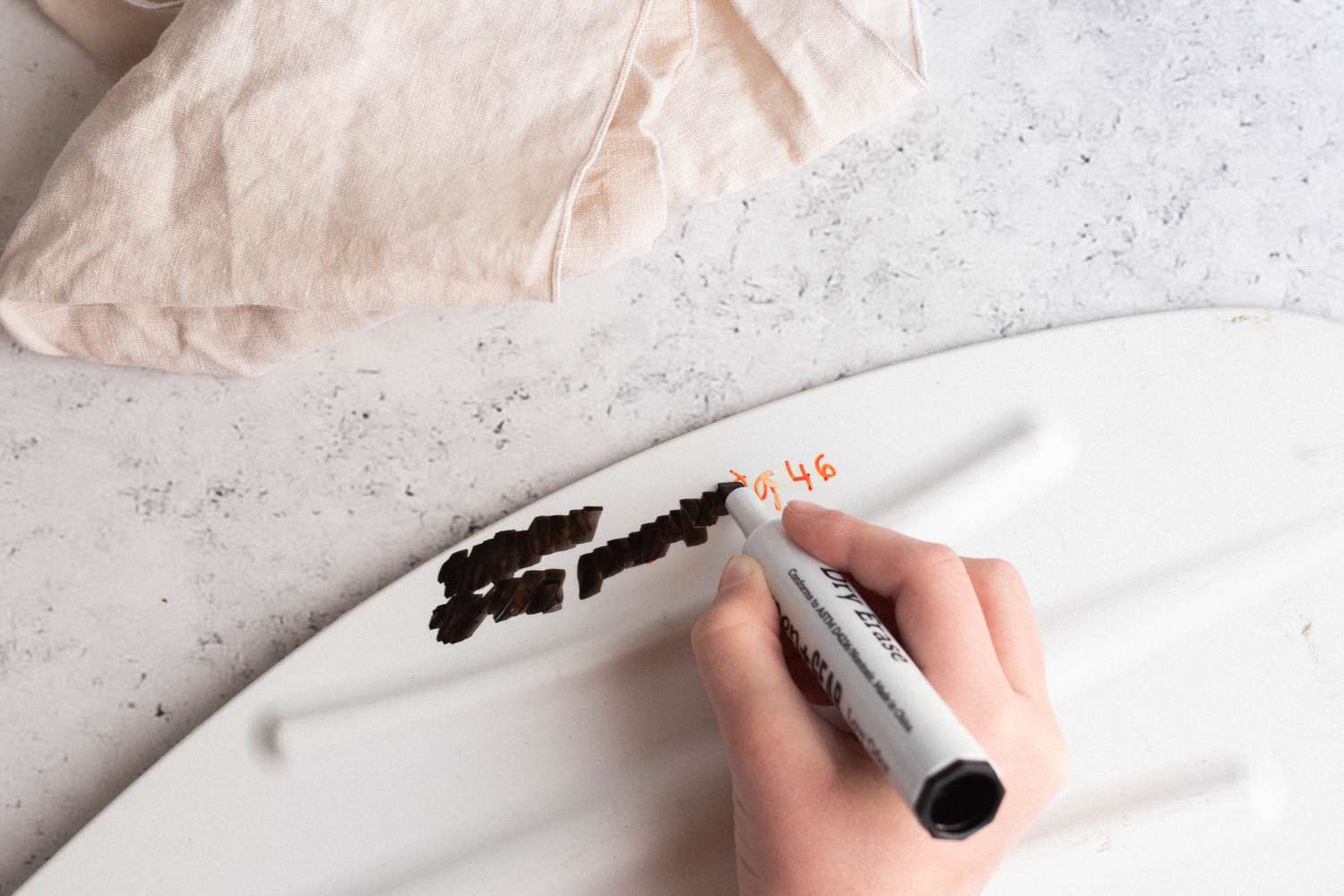
This sounds too good to be true but it works: draw over the Sharpie marks with a dry erase marker, then immediately wipe with a cloth.
Why it works: dry erase markers contain a non-polar solvent that dissolves the permanent marker ink. When you draw over it and wipe, you’re lifting both inks simultaneously.
This is the safest method for whiteboards because it doesn’t risk damaging the whiteboard coating the way harsh solvents can.
Rubbing Alcohol: The MVP
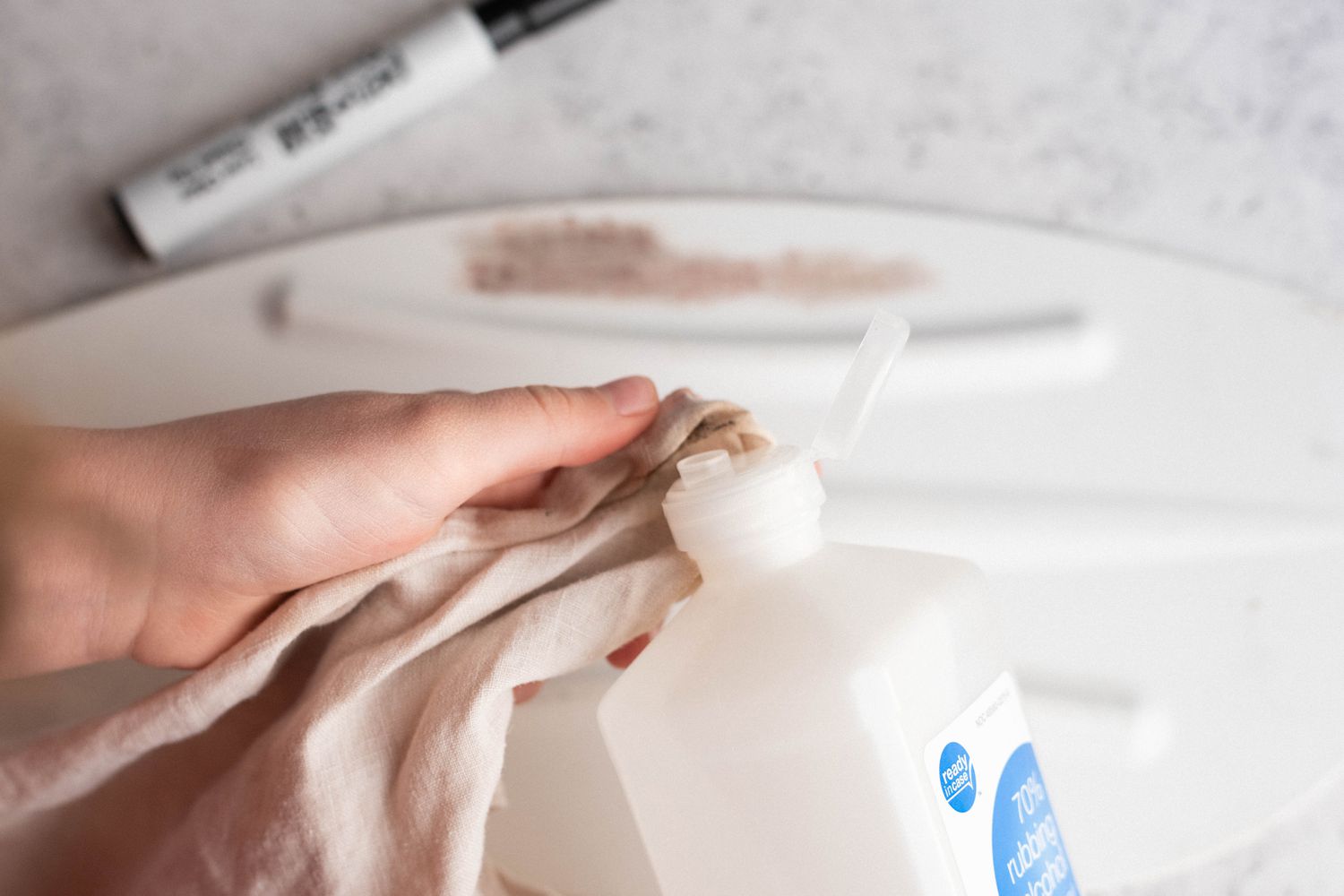
Isopropyl rubbing alcohol (70% or 91%) is the single most versatile Sharpie remover. It works on most surfaces, is cheap, widely available, and won’t damage most finished surfaces.
How to apply it:
- Dampen a cotton ball or cloth – don’t soak
- Dab (don’t rub) the stained area
- Blot with a clean cloth to lift the ink
- Repeat until gone
- Clean the area with water after treatment
On Fabric: Act Fast
On clothing and fabric, speed matters. Fresh Sharpie marks come out much more easily than dried, set ink.
Best method:
- Place the fabric stain-side down on paper towels
- Apply rubbing alcohol from the back of the fabric – this pushes the ink into the towels rather than deeper into fibers
- Blot, move to a clean area of towel, repeat
- Follow with dish soap worked into the stain
- Wash in warm water per fabric care instructions
For very set stains, commercial ink remover products (like Amodex) outperform home remedies.
On Walls: Proceed Carefully
This is where you have to be careful. The wrong method removes paint along with the marker.
For flat/matte painted walls: Rubbing alcohol on a cloth, very gentle dabbing. Test in a hidden area first – matte paint can dull or lighten.
For semi-gloss or gloss painted walls: Magic Eraser (melamine foam) works well and won’t strip the paint. Semi-gloss is durable enough to handle it.
For colored walls: Magic eraser can lightly abrade the paint surface and create dull spots. Use rubbing alcohol dabbed gently instead.
What Never Works (No Matter What Anyone Says)
- Water alone – Sharpie is waterproof by design
- Regular soap and water – not strong enough on most surfaces
- Toothpaste – mildly abrasive, very slow, inconsistent results
For Really Stubborn Marks
When standard methods don’t work, escalate to:
- Acetone (nail polish remover) – powerful but can damage many surfaces; best reserved for glass, metal, and ceramic
- Commercial ink removers – Amodex, De-Solv-It, or Goo Gone for specific surfaces
- Fine sanding – last resort for wood surfaces; requires refinishing afterward
The right approach to removing Sharpie marker is always to start with the gentlest method (rubbing alcohol) and escalate only if needed. Most surfaces respond well to alcohol – you rarely need to go further.