

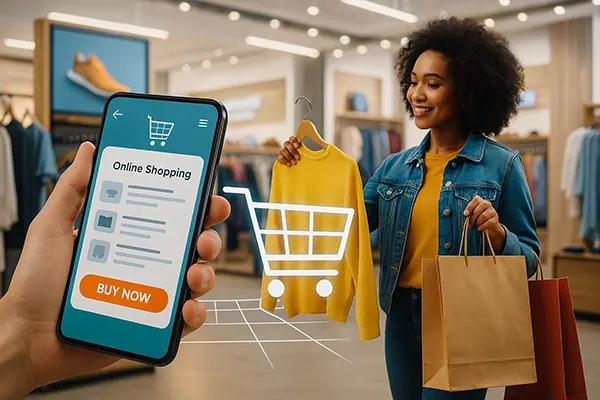
Phygital retail refers to the combination of physical and digital shopping to give customers a smoother experience. People can enjoy the best of both instead of choosing between online stores and traditional shops. Businesses in Amesbury embrace this model because it meets the changing expectations of modern consumers. Customers want the speed of online shopping but also the human touch and confidence that comes with in-person experiences.
Why Customers Value a Phygital Approach
Shopping is no longer only about price and product availability. People care about convenience, personalization, and connection. A phygital experience allows them to browse items online, check reviews, and compare prices before visiting a store. They can see, feel, and try the products, making the purchase decision easier. This approach also reduces missed sales for businesses. Someone who finds a product online but hesitates to buy can later visit the physical store to complete the purchase. In turn, businesses increase trust and loyalty by meeting customers where they are most comfortable.
Examples of Phygital Experiences
“Click and collect” is a common example. Customers order online and pick up in-store, skipping delivery wait times. Self-checkout stations with mobile app integrations are another form of phygital retail. Augmented reality apps that allow customers to “try on” furniture, clothing, or makeup before buying also bridge the gap.
Small boutiques and larger retailers in Amesbury introduce QR codes that connect physical products to online details, reviews, and styling ideas. This improves the shopping journey and keeps customers engaged.
Benefits for Businesses in Amesbury
Phygital retail is a growth strategy. Businesses in Amesbury gain valuable insights when connecting digital interactions with in-store behavior. For example, businesses that track which products are browsed online and later purchased in-store can adjust stock, marketing, and promotions.
Another advantage is better customer loyalty. People enjoy having choices in how they shop. Offering both online and physical experiences ensures they return rather than turning to competitors. This combination of digital efficiency and human connection also helps smaller local businesses stand out from national chains.
Technology That Powers Phygital Retail
Businesses need the right tools to succeed with a phygital model. Point-of-sale systems that connect with online platforms allow smoother transactions. Customer relationship management (CRM) systems help track preferences and create personalized offers. Mobile apps with loyalty programs keep shoppers connected long after they leave the store.
The Human Touch in a Digital World
Technology makes phygital retail possible, but human interaction keeps it meaningful. Customers still value friendly staff, personalized advice, and in-person connections. Digital tools should support these moments.
Stores that blend personal service with digital convenience see higher customer satisfaction. For example, a clothing boutique that offers style consultations in-store while recommending items online based on purchase history gives customers a reason to keep coming back. This balance of digital support and human presence makes the experience memorable.
Building Emotional Connections
Phygital retail helps businesses move beyond transactions to build emotional connections. Personalization, convenience, and the sense of being valued contribute to loyalty. A customer who realizes that a business understands their needs may return and recommend it to others.
Thus, retailers should use data to remember customer preferences or offer a personalized discount after a purchase. They can also send reminders through digital platforms while still providing friendly in-store service.