
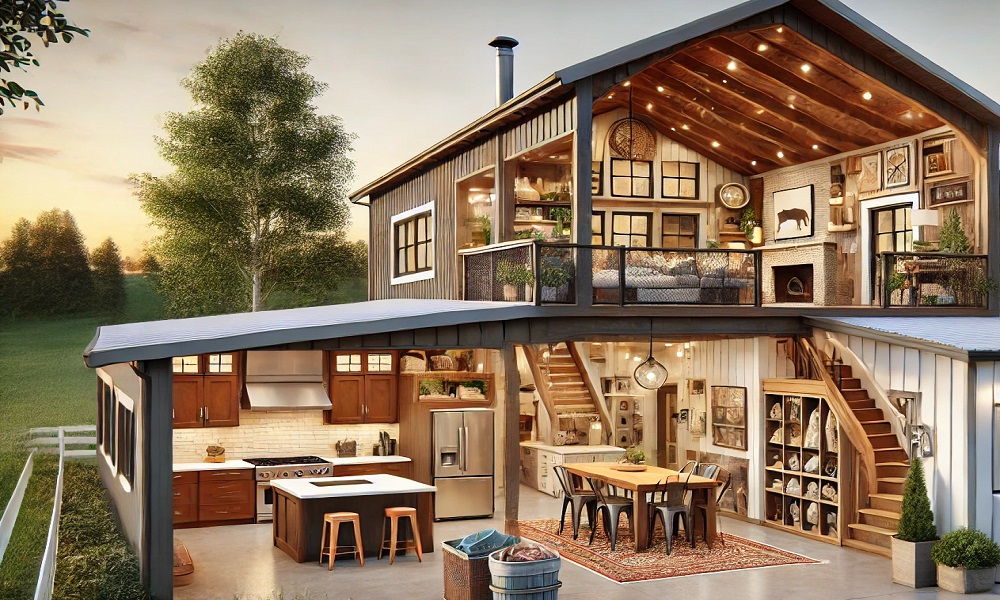
In Fresno, where sunshine is abundant and summer temperatures regularly climb, interior design must respond thoughtfully to both light and heat. Solar gain interior design focuses on managing how sunlight enters and affects indoor spaces, allowing rooms to remain bright while preventing discomfort from excess warmth.
When applied correctly, this approach supports energy efficiency, improves comfort, and enhances the daily experience of living in Fresno homes.
Understanding Solar Gain in Fresno’s Climate
Solar gain occurs when sunlight passes through windows and raises the temperature of interior surfaces and air. In Fresno’s long warm seasons, unmanaged solar gain can quickly lead to overheated rooms and higher cooling costs. However, when controlled, solar gain becomes an asset that supports daylight use and reduces reliance on artificial lighting.
Key elements that influence solar gain include:
- Window orientation, particularly exposure to the west and south
- Type of glazing, including heat-reflective or tinted glass
- Interior surface materials that absorb or reflect warmth
- Shading systems, both interior and exterior
Design decisions must consider Fresno’s strong afternoon sun and mild winters to achieve year-round balance.
Window Design That Adjusts to Seasonal Sun
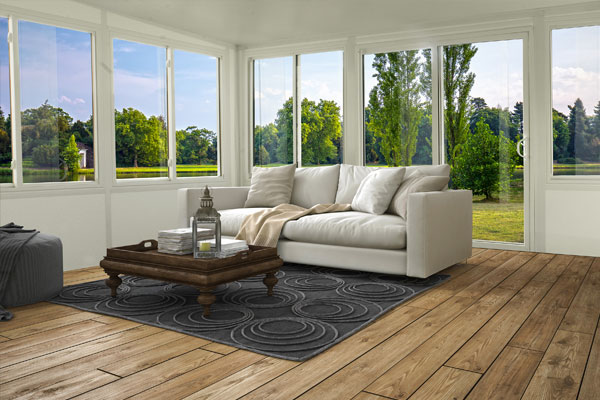
Windows are the primary drivers of solar gain, making them a central focus of adaptive interior design in Fresno.
Effective window strategies include:
- South-facing windows with roof overhangs to block high summer sun while allowing winter light
- Low-emissivity (Low-E) glass to limit heat penetration without reducing brightness
- Dual-layer window coverings, combining sheer panels with insulated drapes
- Exterior shading devices, such as solar screens or adjustable awnings
These features allow residents to regulate heat during peak summer hours while maintaining pleasant daylight during cooler months.
Using Thermal Mass to Stabilize Indoor Temperatures
Thermal mass refers to materials that absorb heat during the day and release it slowly as temperatures drop. In Fresno homes, incorporating thermal mass into interior design helps moderate daily temperature swings.
Common thermal mass elements include:
- Tile, stone, or concrete flooring in sun-exposed areas
- Masonry feature walls near large windows
- Built-in seating or partitions made from dense materials
These surfaces collect warmth during daylight hours and gradually release it in the evening, supporting more stable indoor conditions without mechanical systems.
Room Placement That Works With the Sun
How rooms are positioned within a home greatly affects their comfort level throughout the day. In Fresno, thoughtful spatial planning ensures that frequently used areas benefit from natural light without excessive heat.
Recommended layout considerations include:
- Locating living and dining areas on the east or southeast side for gentle morning sunlight
- Placing bedrooms away from western exposure to reduce nighttime heat retention
- Designing shaded transition spaces, such as covered patios or enclosed porches, to buffer intense sun
- Maintaining open circulation paths to encourage cross-ventilation
These layout strategies help distribute light and heat more evenly across interior spaces.
Interior Finishes That Support Heat and Light Control
Interior finishes play an important role in managing how light and heat behave inside Fresno homes. Color, texture, and material selection can either amplify or soften the effects of solar exposure.
Design choices that support solar-responsive interiors include:
- Light-toned wall colors to reflect daylight deeper into rooms
- Matte finishes to reduce glare from direct sunlight
- Natural textiles, such as cotton and linen, that remain cooler to the touch
- Minimal heavy upholstery in sun-facing rooms to prevent heat buildup
Creating Comfortable, Sun-Responsive Interiors in Fresno
Solar gain interior design allows Fresno homeowners to embrace sunlight while controlling its impact on indoor comfort. By combining strategic window design, heat-regulating materials, thoughtful room placement, and supportive interior finishes, homes can adapt naturally to daily and seasonal temperature changes.
Rather than relying solely on mechanical cooling, well-planned interiors work with Fresno’s climate to create spaces that feel bright, balanced, and consistently comfortable year-round.