
Category

Business

Category

Phygital retail refers to the combination of physical and digital shopping to give customers a smoother experience.  People can enjoy the best of both instead of choosing between online stores and traditional shops. Businesses in Amesbury embrace this model because it meets the changing expectations of modern consumers. Customers want the speed of online shopping but also the human touch and confidence that comes with in-person experiences.

Why Customers Value a Phygital Approach

Shopping is no longer only about price and product availability. People care about convenience, personalization, and connection. A phygital experience allows them to browse items online, check reviews, and compare prices before visiting a store. They can see, feel, and try the products, making the purchase decision easier. This approach also reduces missed sales for businesses. Someone who finds a product online but hesitates to buy can later visit the physical store to complete the purchase. In turn, businesses increase trust and loyalty by meeting customers where they are most comfortable.

Examples of Phygital Experiences

 “Click and collect” is a common example. Customers order online and pick up in-store, skipping delivery wait times. Self-checkout stations with mobile app integrations are another form of phygital retail. Augmented reality apps that allow customers to “try on” furniture, clothing, or makeup before buying also bridge the gap.

Small boutiques and larger retailers in Amesbury introduce QR codes that connect physical products to online details, reviews, and styling ideas. This improves the shopping journey and keeps customers engaged.

Benefits for Businesses in Amesbury

Phygital retail is a growth strategy. Businesses in Amesbury gain valuable insights when connecting digital interactions with in-store behavior. For example, businesses that track which products are browsed online and later purchased in-store can adjust stock, marketing, and promotions.

Another advantage is better customer loyalty. People enjoy having choices in how they shop. Offering both online and physical experiences ensures they return rather than turning to competitors. This combination of digital efficiency and human connection also helps smaller local businesses stand out from national chains.

Technology That Powers Phygital Retail

Businesses need the right tools to succeed with a phygital model. Point-of-sale systems that connect with online platforms allow smoother transactions. Customer relationship management (CRM) systems help track preferences and create personalized offers. Mobile apps with loyalty programs keep shoppers connected long after they leave the store.

The Human Touch in a Digital World

Technology makes phygital retail possible, but human interaction keeps it meaningful. Customers still value friendly staff, personalized advice, and in-person connections. Digital tools should support these moments.

Stores that blend personal service with digital convenience see higher customer satisfaction. For example, a clothing boutique that offers style consultations in-store while recommending items online based on purchase history gives customers a reason to keep coming back. This balance of digital support and human presence makes the experience memorable.

Building Emotional Connections

Phygital retail helps businesses move beyond transactions to build emotional connections. Personalization, convenience, and the sense of being valued contribute to loyalty. A customer who realizes that a business understands their needs may return and recommend it to others.

Thus, retailers should use data to remember customer preferences or offer a personalized discount after a purchase. They can also send reminders through digital platforms while still providing friendly in-store service.

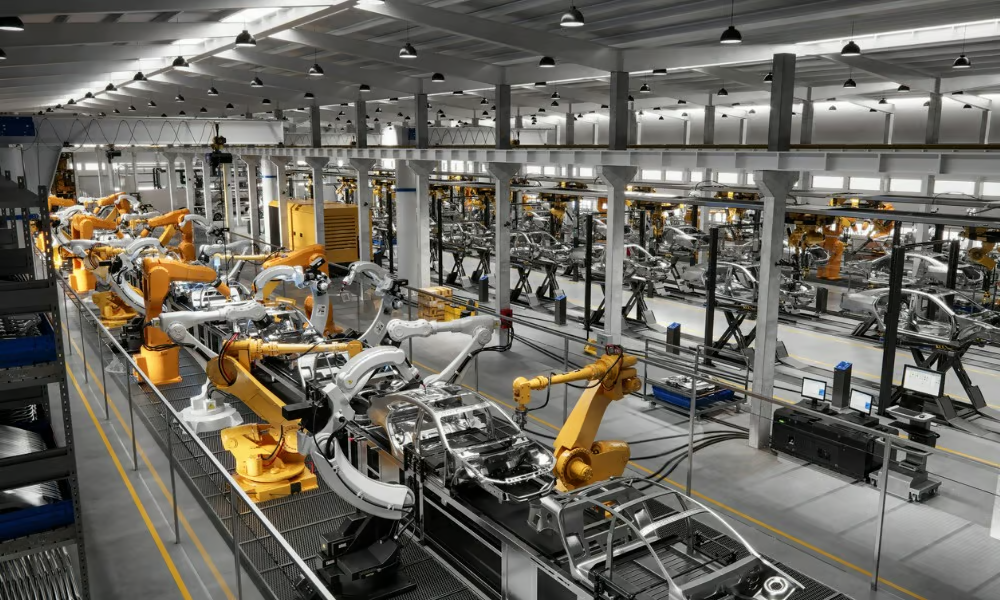
Businesses that Altoona turn to green manufacturing to lower costs and meet consumer expectations. Customers today want products that reflect responsibility toward the environment. Also, rising energy prices and material costs push businesses to find more efficient processes. Green manufacturing helps the planet and offers financial benefits.

Energy Efficiency as a Cost Saver

Modern systems that rely on renewable energy or optimized machinery lower electricity bills significantly. For example, upgrading to LED lighting or advanced HVAC systems reduces long-term expenses. Also, energy monitoring tools give businesses a clear view of waste, helping them adjust in real time.

Waste Reduction and Material Reuse

Waste management often carries hidden costs. Materials that end up in landfills represent lost money and disposal fees. Manufacturers that adopt circular practices can increase efficiency and improve margins. Some companies also turn leftover materials into new product lines, creating extra revenue streams while lowering their environmental footprint.

Lean Processes and Smarter Production

Green manufacturing overlaps with lean production strategies. Companies that streamline steps, remove unnecessary movement, and improve workflow can lower emissions and improve their productivity. For instance, moving from traditional batch production to continuous flow reduces storage needs and minimizes waste. Businesses in Altoona that apply these lean methods benefit from faster delivery times, stronger quality control, and reduced operational costs.

The Role of Renewable Energy

Manufacturers that adopt renewable energy are less exposed to market fluctuations in energy prices. Installing renewable systems can feel expensive at first, but incentives and tax breaks make them more accessible. They can provide predictable energy costs and position companies as leaders in sustainability.

Employee Engagement and Productivity

Employees may feel more motivated when they see their company making environmentally responsible decisions. Manufacturers in Altoona that integrate sustainability into daily work find stronger employee engagement and lower turnover. Workers who feel proud of their workplace are more productive, which has a direct impact on profitability.

Meeting Regulatory Standards with Ease

Environmental regulations continue to expand across industries. Businesses that delay adopting green practices often scramble to meet new rules, which can be costly. On the other hand, companies that already prioritize sustainability find compliance easier. Manufacturers that embrace green production ahead of regulations can save time, reduce risk, and maintain smoother operations.

Building a Stronger Brand Image

Consumers are drawn to companies that reflect their values. A business in Altoona that commits to green manufacturing builds a positive brand identity that sets it apart from competitors. Transparency in practices, such as using recyclable packaging or reducing carbon emissions, can be highlighted in marketing efforts. This brand value translates into customer loyalty, which drives repeat purchases and steady revenue.

Innovation Through Sustainability

Green manufacturing also pushes companies toward innovation. Developers of new processes that use fewer resources can come up with unique products and services. Businesses in Altoona that take this path gain an edge in crowded markets.

Long-Term Profitability in Altoona

Altoona businesses that prioritize sustainability are prepared for changes in consumer demand, regulatory changes, and global market pressures. Green manufacturing can be a foundation for lasting success.