
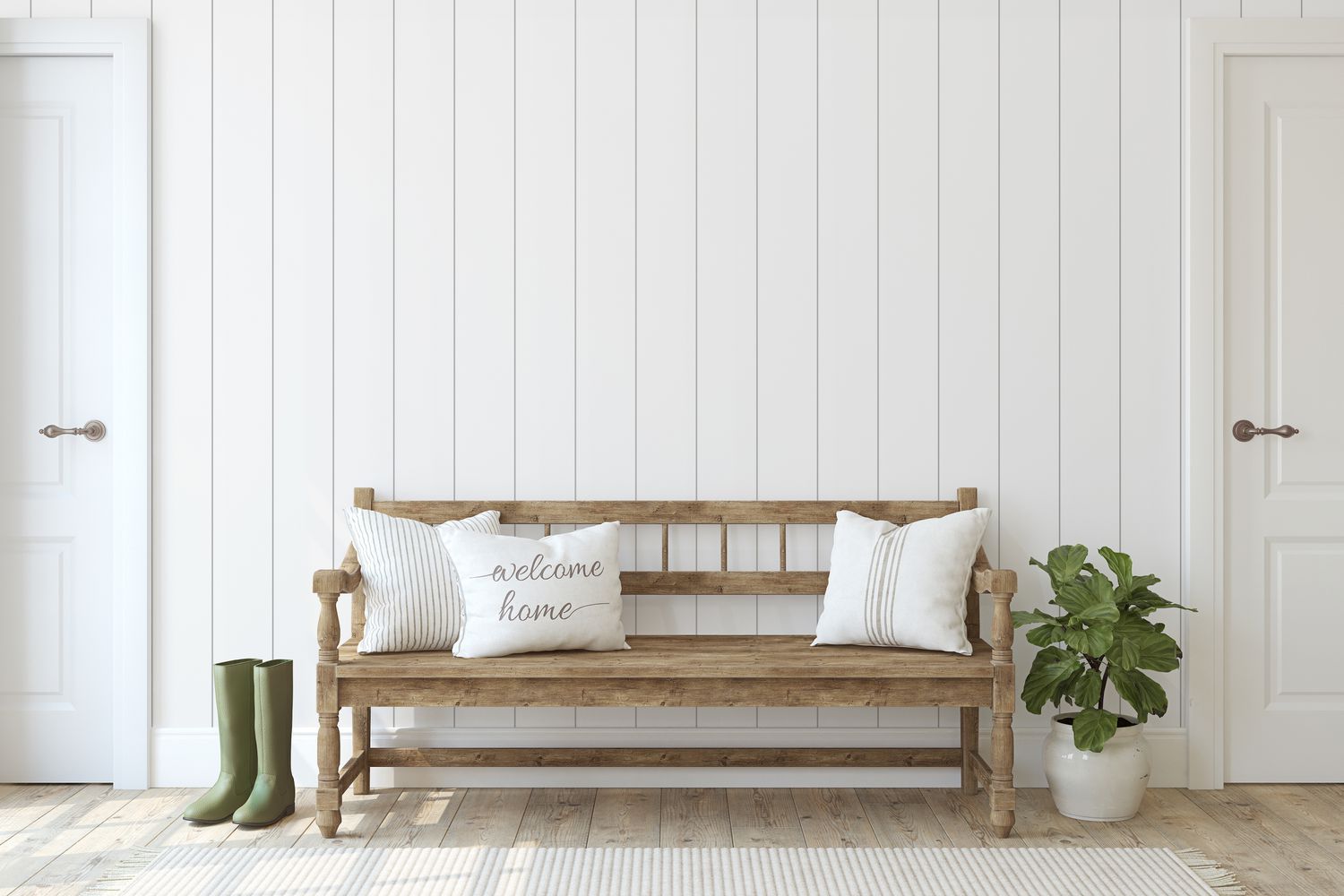
Sheetrock is the default, but it lacks character and durability. If you’re looking for an “alternative to sheetrock walls“ in 2026, MgO (Magnesium Oxide) boards are the top technical choice because they are virtually fireproof and mold-resistant. For aesthetic upgrades, 3D textured panels, shipplap, or plywood panels offer much higher impact resistance and a modern, “organic” look that drywall simply can’t provide.
There are several legitimate alternatives to sheetrock walls that offer better durability, more visual interest, or specific performance advantages. Here’s what’s actually worth considering.
Alternatives at a Glance
| Material | Cost (per sq ft installed) | Durability | Moisture Resistance | Visual Appeal |
|---|---|---|---|---|
| Plywood panels | $2-$5 | High | Moderate | Moderate |
| Wood planks (shiplap/tongue & groove) | $5-$15 | High | Low-Moderate | High |
| Cement board | $3-$6 | Very High | Excellent | Low (utilitarian) |
| Fiber cement panels | $4-$8 | Very High | Excellent | Moderate |
| Stone veneer | $15-$40 | Very High | High | Very High |
| Brick (thin veneer) | $10-$30 | Very High | High | Very High |
| OSB (oriented strand board) | $1-$3 | Moderate | Low | Industrial |
| Paneling (MDF/wood composite) | $3-$10 | Moderate | Low | Moderate-High |
1. Plywood Wall Panels
Plywood is one of the most overlooked wall materials. Modern plywood in birch or Baltic plywood creates a clean, contemporary look – especially in home offices, studios, and Scandinavian-inspired interiors.
Best for: Home offices, garages, utility rooms, design-forward spaces
Pros: Strong, accepts stain or paint, durable against impact
Cons: Seams need attention; not moisture-proof without treatment
2. Shiplap and Wood Planks
The farmhouse and coastal design movements made shiplap famous, and it’s earned its place. Horizontal tongue-and-groove or shiplap boards create genuine warmth that painted drywall can never replicate.
Best for: Living rooms, bedrooms, accent walls
Pros: Timeless look, easy DIY installation, excellent resale value
Cons: More expensive than drywall, not for high-humidity areas without sealing
3. Cement Board
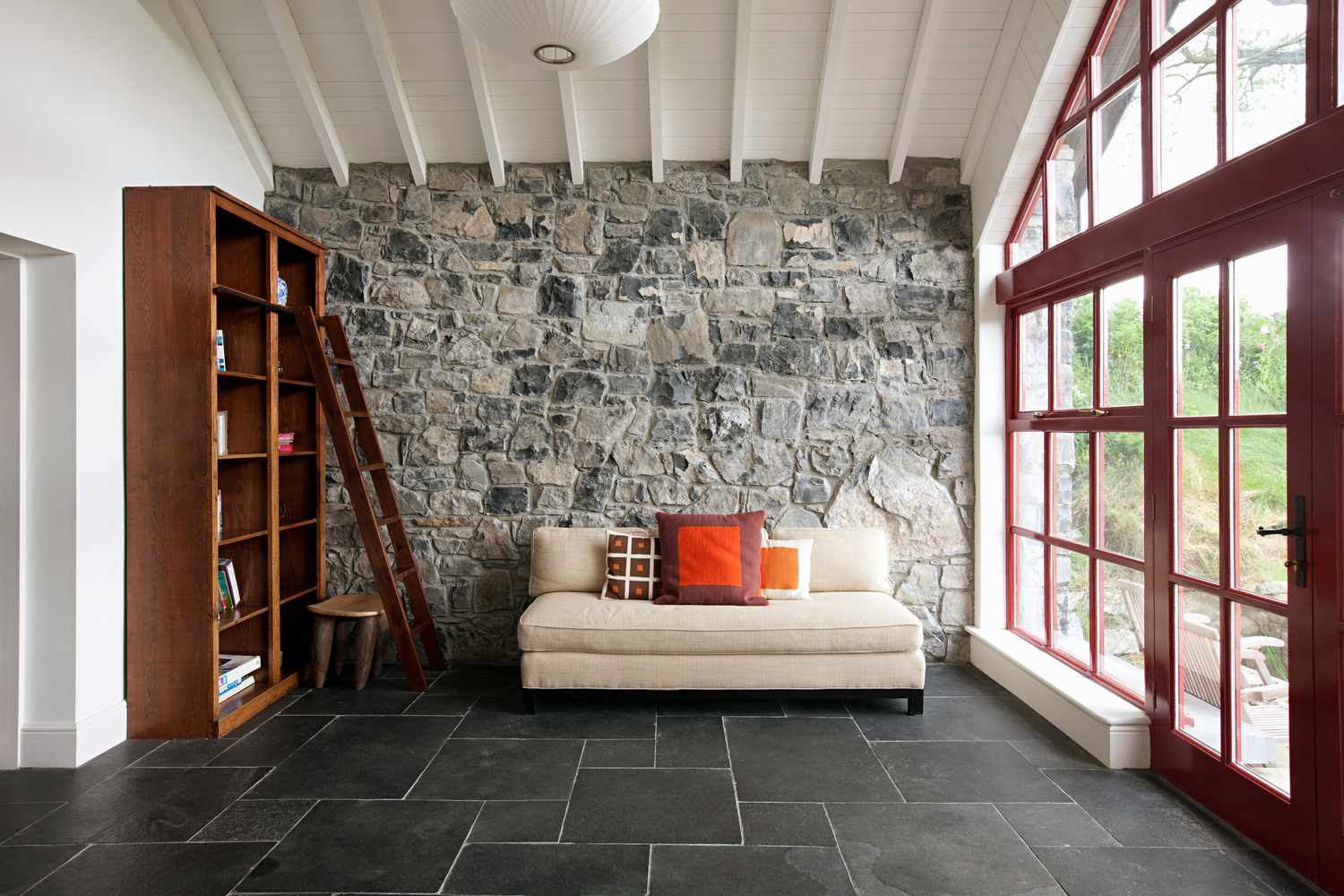
Cement board (like Hardiebacker or Durock) is primarily known as a tile substrate – but in industrial and modern interiors, it’s used as a finished wall material. Raw cement board has an honest, utilitarian aesthetic.
Best for: Bathrooms, kitchens, laundry rooms, behind wood stoves
Pros: Waterproof, fire-resistant, extremely durable
Cons: Heavy, harder to cut, requires specific fasteners
4. Fiber Cement Panels
Fiber cement panels combine cement with cellulose fibers to create a lightweight but incredibly durable panel. Brands like James Hardie make interior panels specifically for wet areas.
Best for: Bathrooms, laundry rooms, mudrooms, commercial-style kitchens
Pros: Moisture and mold resistant, very durable, holds paint well
Cons: Heavier than drywall, generates silica dust when cut (wear a mask)
5. Stone Veneer
Thin stone veneer panels apply directly to a prepared wall surface. The result looks like real stone masonry at a fraction of the weight and cost of full stone.
Best for: Fireplace surrounds, accent walls, entryways
Pros: Incredible visual impact, very durable, adds significant value
Cons: Expensive, requires skilled installation, heavy (may need structural support)
6. Thin Brick Veneer
Like stone veneer but with brick. Thin brick slices (½”-¾” thick) adhere to wall surfaces and look exactly like full brick masonry.
Best for: Feature walls, kitchen backsplashes, basement bars, lofts
Pros: Authentic brick look, durable, excellent character
Cons: Labor-intensive installation, grout maintenance
7. OSB (Oriented Strand Board)
Raw OSB has become a design choice in itself – particularly in industrial, minimalist, and budget-conscious builds. The layered, textured surface has a raw, honest look when sealed.
Best for: Garages, workshops, studio spaces, accent walls in industrial-style homes
Pros: Very inexpensive, extremely strong, good DIY material
Cons: Low moisture tolerance, strong initial odor (formaldehyde in adhesives)
8. Wood Composite and MDF Paneling
Pre-finished or paintable MDF panels offer a classic wainscoting or board-and-batten look without the complexity of custom carpentry.
Best for: Formal living rooms, dining rooms, hallways
Pros: Affordable, clean finish, lots of profile options
Cons: Not moisture-resistant, heavier than drywall
Which Alternative Is Right for You?
| Your Priority | Best Option |
|---|---|
| Budget | OSB or plywood |
| Visual impact | Stone or brick veneer |
| Wet area (bathroom/kitchen) | Cement board or fiber cement |
| Farmhouse/coastal style | Shiplap or wood planks |
| Industrial modern | OSB or cement board |
| Classic formal look | Wood paneling/MDF |
The best alternative to sheetrock walls depends entirely on what problem you’re trying to solve – moisture, aesthetics, durability, or all three. Most alternatives cost more than drywall but deliver character and performance that standard sheetrock simply can’t match.